How to Use the Advanced Conversational Chinese
 YANGYANG CHENG | MARCH 30, 2026
How to Study the Advanced Conversational Chinese (ACC) Course
A Guide for Your Next Step in Chinese
Introduction
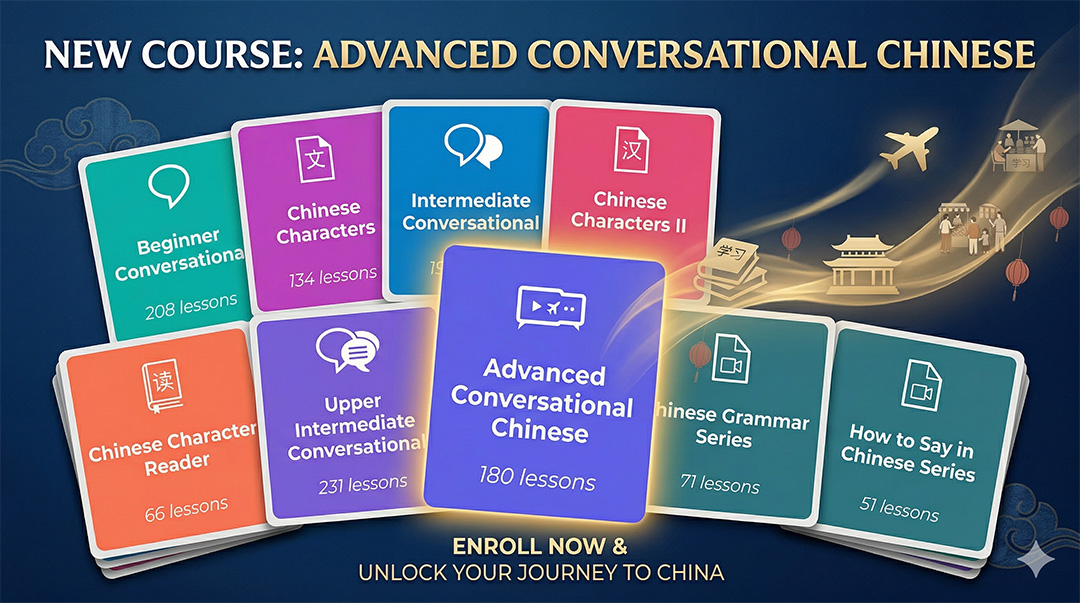
The Advanced Conversational Chinese (ACC) course is finally here.
For many learners, this is not just another course, but a turning point — the moment when Chinese starts to feel real, alive, and connected to everyday life. After years of development, we are truly honored to share this course with you. It completes the full learning journey at Yoyo Chinese, from beginner to advanced, in one structured system.
And most importantly, if you are here, it means you’ve already come a long way. That in itself is something to be proud of.
Course Structure
The ACC course consists of 180 lessons, organized into 36 units, with each unit containing five lessons. Every unit is built around a real-life topic and follows a consistent learning path designed to help you move from understanding to real usage.
Each unit includes a dialogue lesson, a breakdown of vocabulary and expressions, an extended conversation, a cultural insights lesson, and finally a full review video that brings everything together.
Understanding the Learning Flow
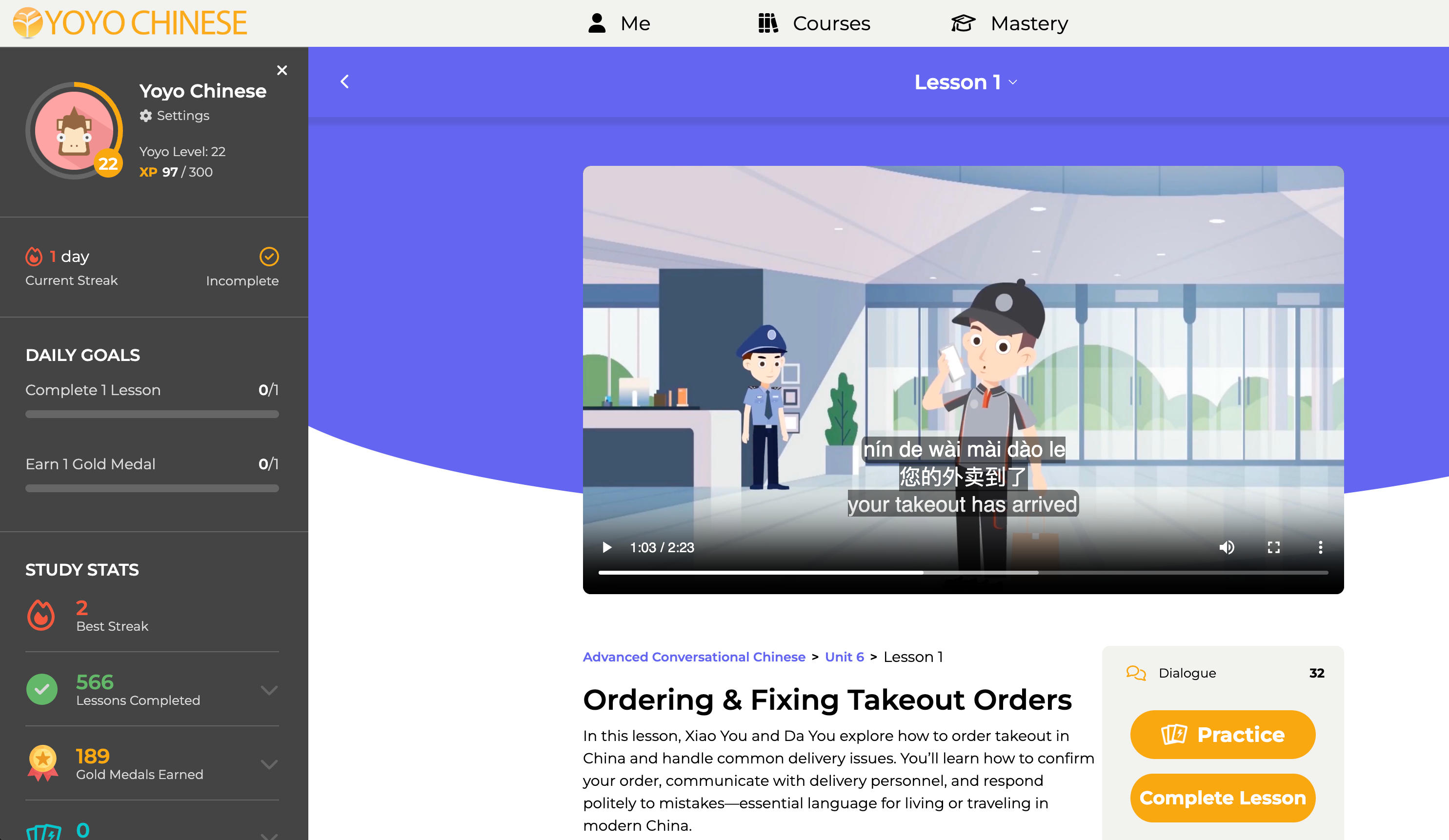
The first lesson of each unit is the dialogue, and this is where your learning begins. Through animated scenes, you are placed into real-life situations where Chinese is naturally spoken. The goal here is not to memorize, but to understand the situation, feel the rhythm of the language, and begin recognizing how expressions are used in context. This lesson is the foundation, and you should return to it often.
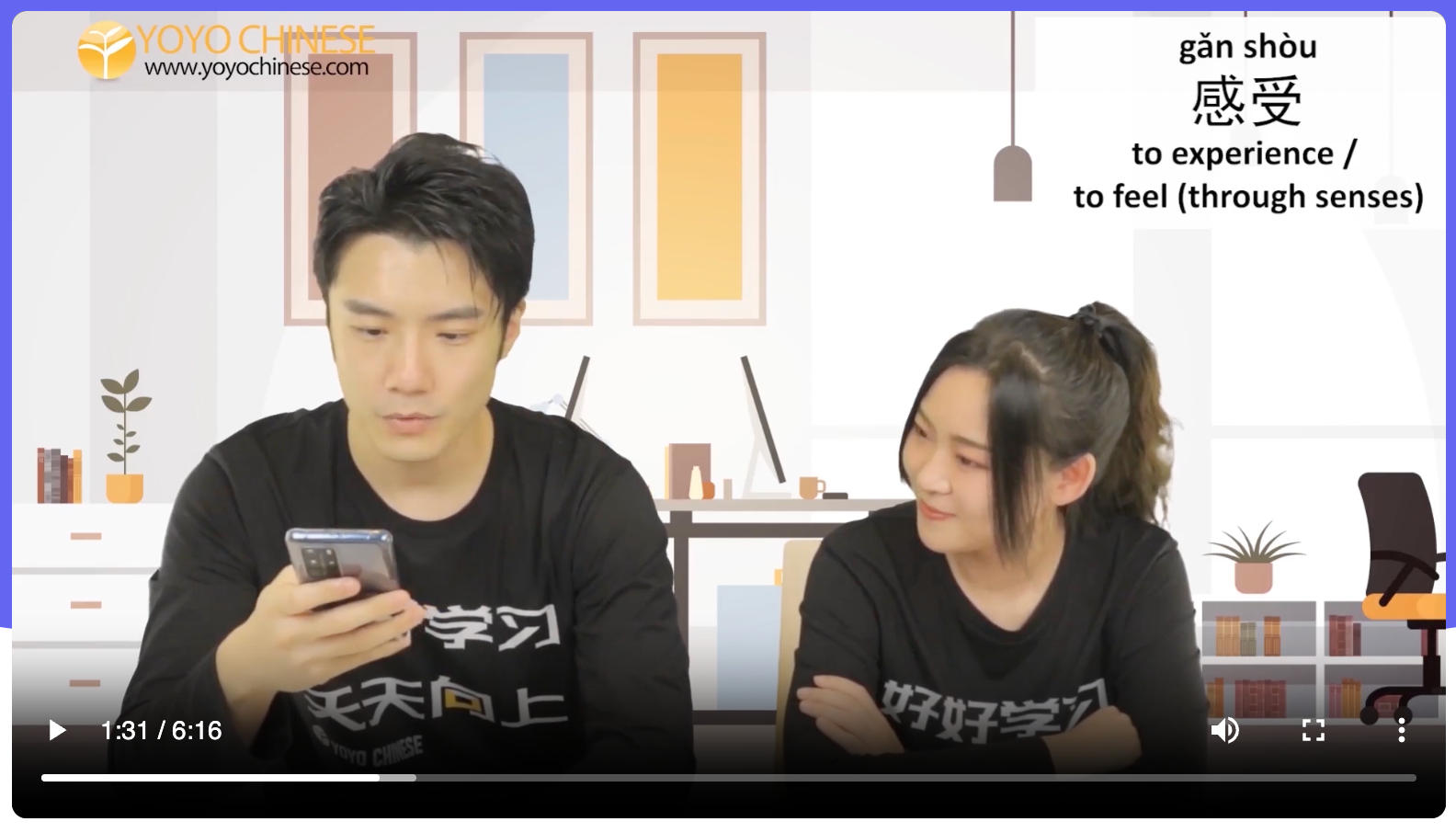
The second lesson focuses on vocabulary and expression breakdown. Here, key language from the dialogue is carefully explained and demonstrated through natural interaction between the hosts. This is where things start to become clear. If the dialogue is where you experience the language, this is where you truly understand it. Take your time with this lesson — it is one of the most important parts of your learning.
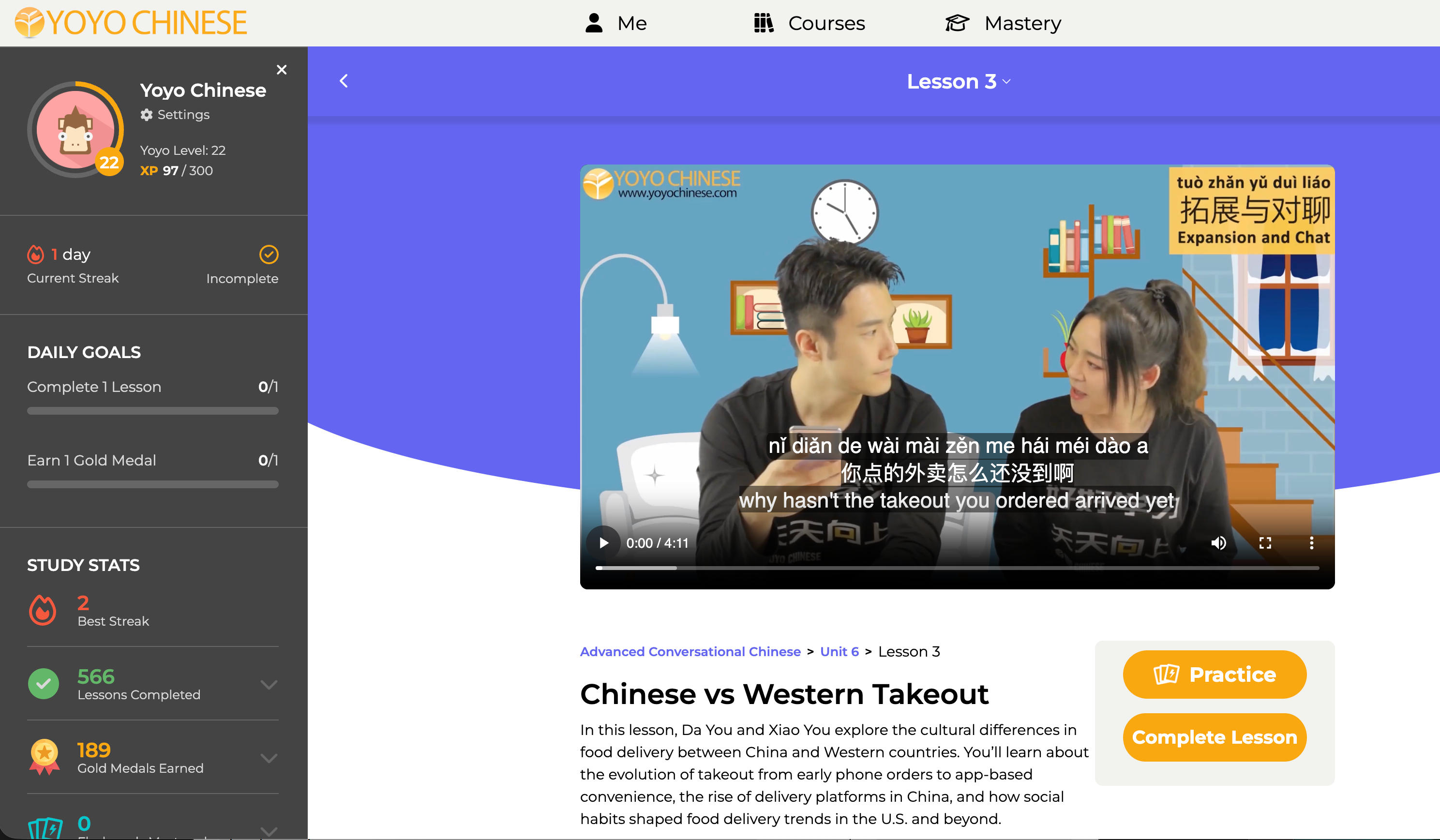
In the third lesson, the conversation expands. The hosts move beyond the original dialogue into a more natural and free-flowing exchange, introducing richer vocabulary and more advanced expressions. It is completely normal if this part feels challenging. You are not expected to understand everything, nor are you expected to master all the new words. Your only goal is to understand as much as you can. Even if it takes several days, or even a full week to feel comfortable, that is perfectly okay. Real progress happens at your own pace.
The fourth lesson introduces cultural insights. Language cannot be separated from culture, and this lesson helps you see what lies beneath the words — how people think, how meaning is shaped, and why certain expressions are used the way they are. This is not about memorization, but about awareness. Simply listening and understanding is enough.
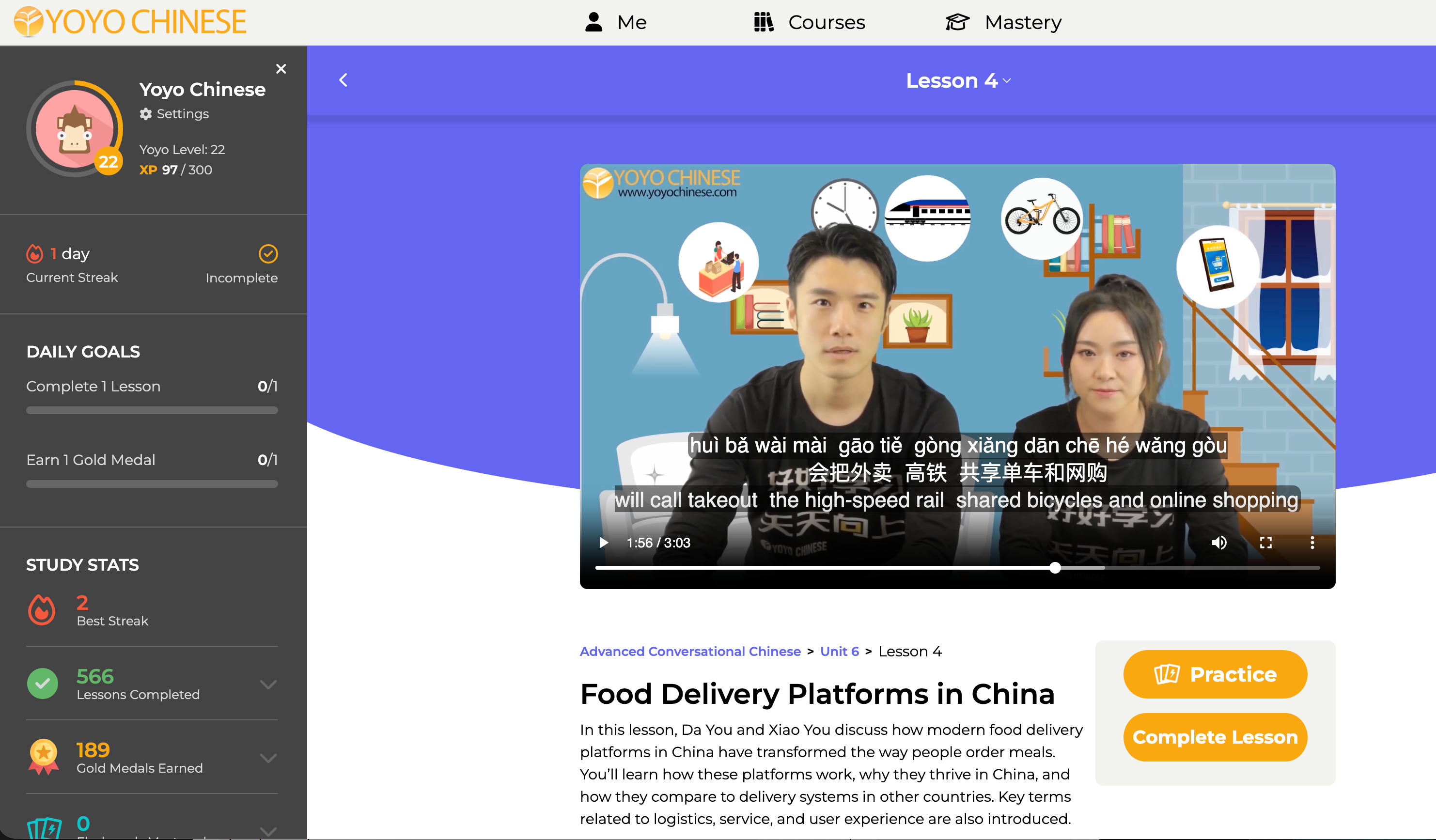
Finally, the full review video brings everything together. After moving through dialogue, explanation, expansion, and culture, this lesson gives you a complete and natural replay of what you have learned. It serves as both reinforcement and a moment to pause before moving forward.
Practice: Turning Understanding into Ability
Watching the videos is only the beginning. Real learning happens when you engage with the practice materials.
In the first lesson of each unit, you will find dialogue replay, flashcards, notes, and eventually FAQ support. Dialogue replay is especially important, as it breaks the conversation into manageable pieces and allows you to listen, repeat, and internalize the language. It is one of the most effective ways to turn passive understanding into active ability.
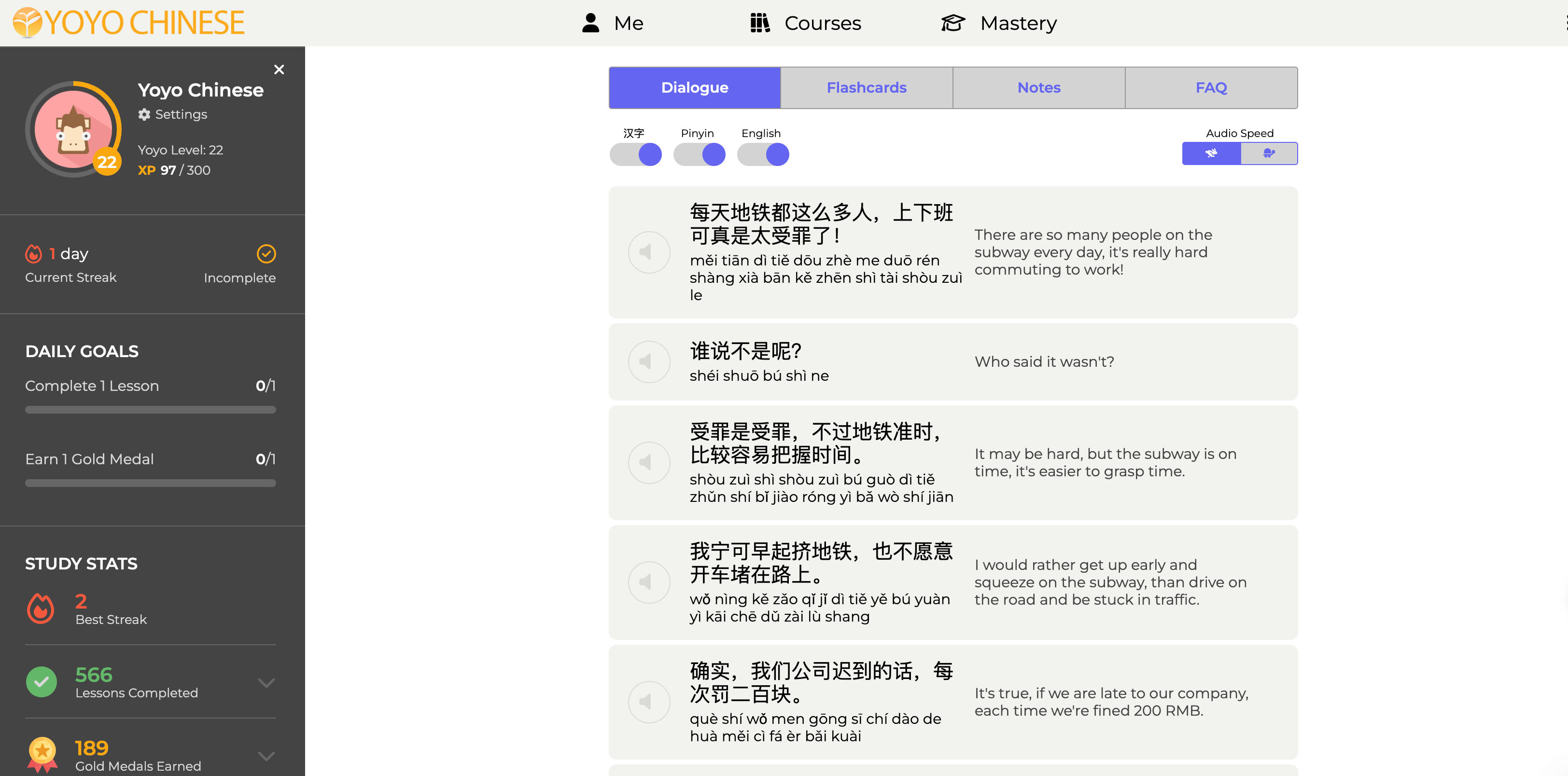
The remaining lessons also include flashcards and notes, providing consistent opportunities to review and reinforce what you have learned.
It can be tempting to move quickly and complete lessons one after another, but language learning does not work that way. In Chinese, there is a saying: “欲速则不达 (yù sù zé bù dá)  ” — the more you rush, the further you get from your goal. Taking your time is not slowing down; it is the only way to truly move forward.
Practice & Quiz
The ACC course includes practice and quiz features, similar to what you experienced in the UICC course. At the moment, the quiz section is not yet fully available. This is because all quiz content is carefully created by real teachers, and we believe strongly in maintaining quality rather than rushing to release incomplete material.
As we continue developing the quizzes, they will be released gradually, and your feedback will play an important role in shaping them. We truly appreciate your patience and understanding in this process.
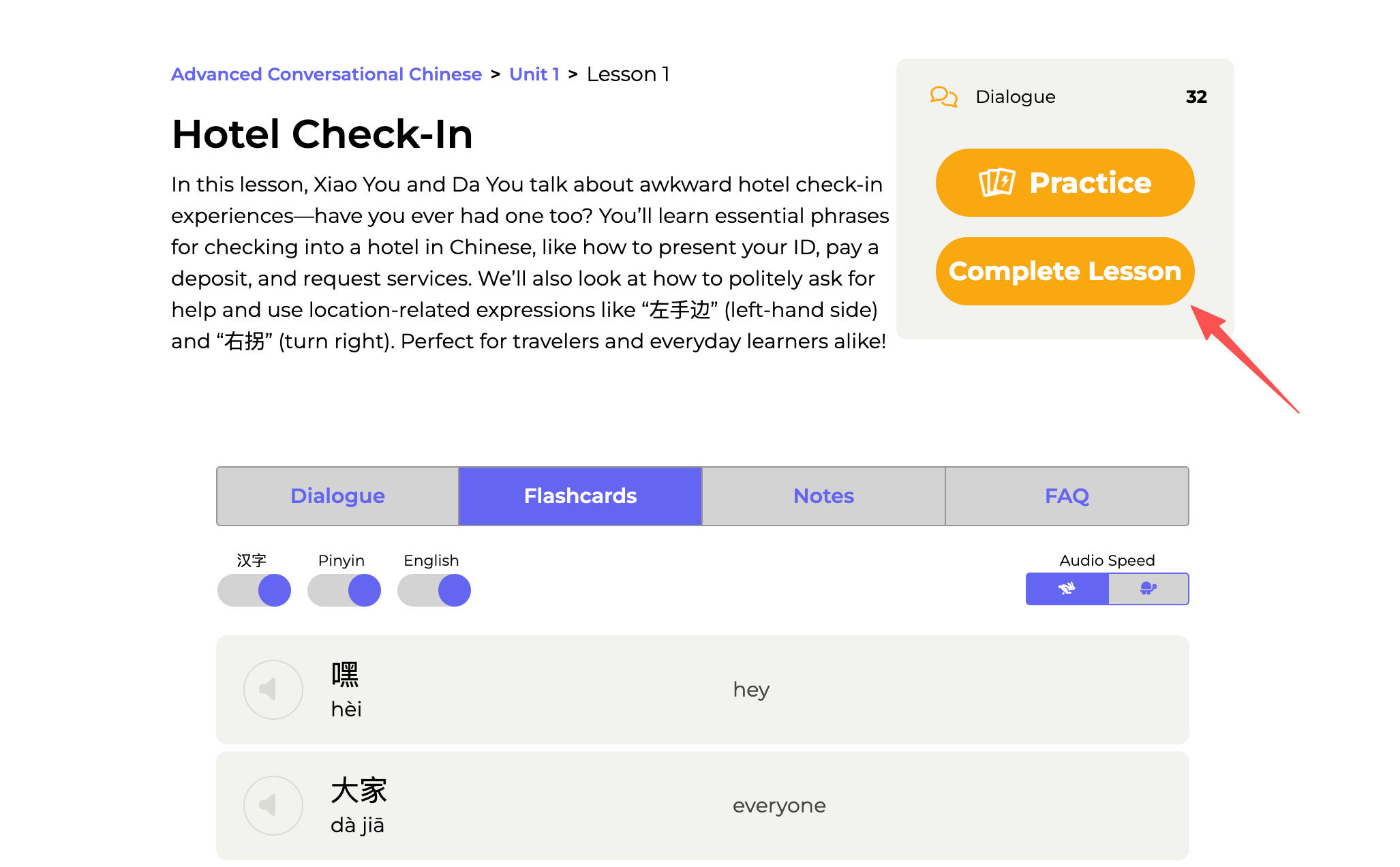
For now, there are two temporary behaviors we would like you to be aware of. First, when you click the “Complete Lesson” button shown on the lesson page, the system will take you to the lesson completion screen for the current lesson. If you have not actually finished the full lesson yet, please do not click this button. At the moment, it is only being used as a temporary transition feature. Once the quiz section is released, this button will be updated to a “Quiz” button, and its function will work the same way as it does in the UICC course.
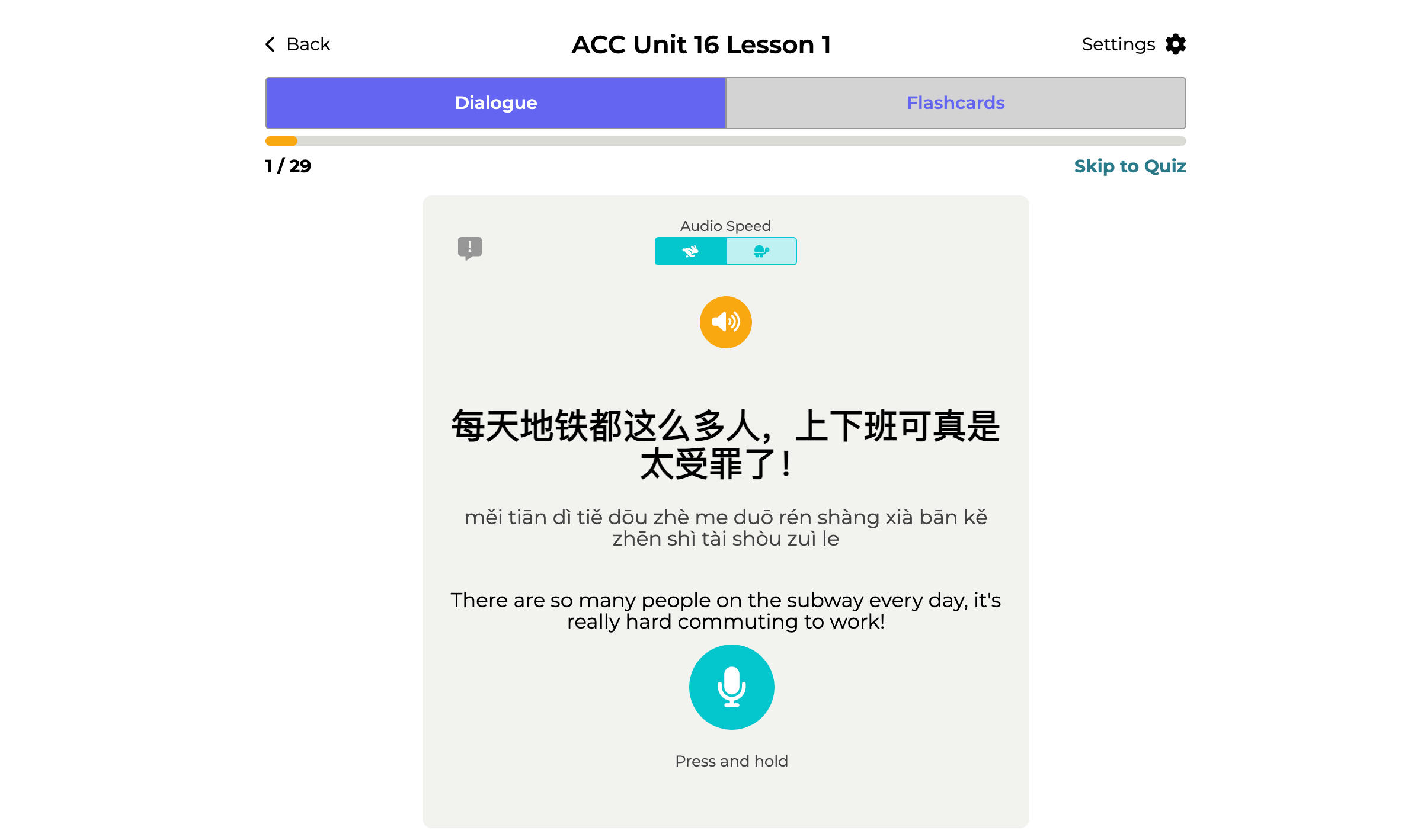
Second, when you click the “Practice” button and enter the Dialogue and/or Flashcards pages, you may notice a “Skip to Quiz” button in the upper right corner. For now, if you click that button, the page will temporarily jump back to the current lesson’s video page instead of taking you to a quiz page. This is also temporary behavior. Once the quiz feature is fully available, this function will return to normal.
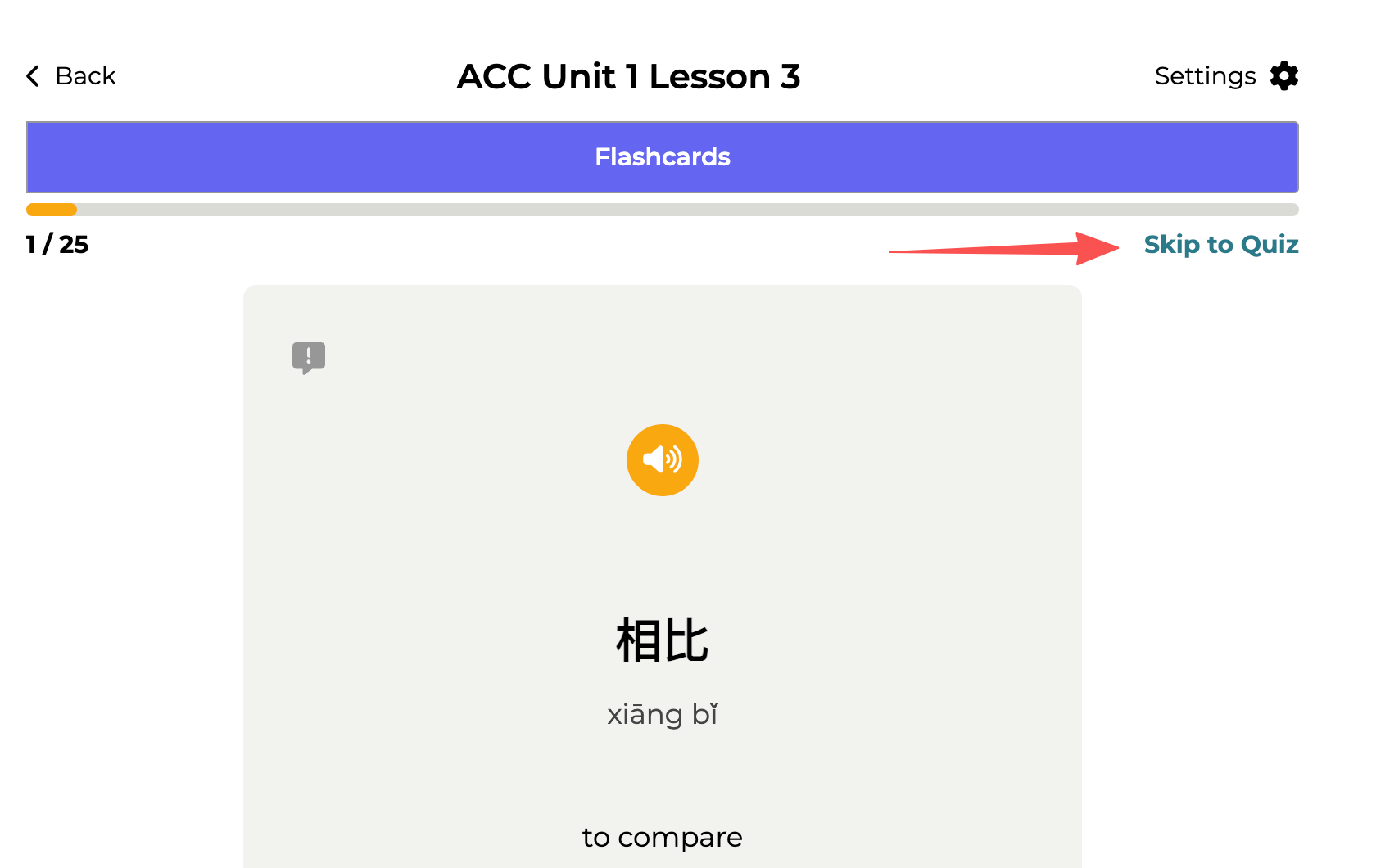
Thank you again for your understanding as we continue improving the ACC learning experience. Our goal is not simply to release everything as quickly as possible, but to make sure each part of the course is truly useful, thoughtful, and worthy of your time.
What You May Feel
As you begin ACC, especially if you have just completed UICC, you may notice that the content feels more demanding. There is more vocabulary, faster speech, and a greater level of complexity. It is natural to feel that the difficulty has increased, and at times, you may even feel uncertain or challenged.
This is not a sign that something is wrong. It is a sign that you are growing.
Learning a language is never a straight path. It involves repetition, confusion, adjustment, and breakthrough. Every learner who reaches this stage experiences the same feelings. What matters is not how fast you move, but that you continue moving.
The fact that you are here means you have already come further than most. You are not starting — you are advancing.
A Simple Approach to Progress
There is a traditional saying in Chinese: “拳不离手,曲不离口(quán bù lí shǒu, qǔ bù lí kǒu) ,” which emphasizes the importance of consistent practice. In language learning, this means that small, steady effort is far more powerful than occasional bursts of intensity.
Ten minutes of focused practice every day will take you much further than long hours followed by long breaks. Consistency creates familiarity, and familiarity builds confidence.
In this sense, less is not less. Less is more. Less is faster.
You Are Not Alone
Learning Chinese can sometimes feel like a long and difficult journey, especially at more advanced levels. But you are not alone in this process.
We are here with you — not just as teachers, but as partners in your learning. Every lesson you complete, every sentence you begin to understand, and every moment you choose to continue instead of giving up is meaningful progress.
Final Words
Thank you for being part of Yoyo Chinese.
Your dedication, your patience, and your willingness to continue are what make this journey possible. If you ever feel uncertain or have questions along the way, please don’t hesitate to reach out.
We are always here for you.

 Chinese Is Easier Than You Think
 What Is Pinyin?
 An Introduction to the Tones
 The 1st and 2nd Tones
 Numbers 0-10
 Your Guide to the 3 'De's in Chinese (的, 得 and 地)
 The Ultimate Guide to Colors in Chinese
 Your Guide to Articles of Clothing in Chinese
 Most Essential Chinese Measure Words (PDF)
 Top 10 Most Common Chinese Mistakes Made by English Speakers
 🐎 2026 Year of the Horse: Meaning, Culture & Chinese Expressions for Learners
 Learn Chinese Pronunciation RIGHT with the (FREE!) Yoyo Chinese Interactive Video & Audio Pinyin Chart
 [LIVE] How to Read a Chinese Menu 101
 [LIVE]: How Chinese People Actually Speak
 Did You Know You Can Use Yoyo Chinese Like a Mobile App?
 Why do non-Chinese people feel that Chinese is difficult to learn?
 An Untold Love Story of Me and Yoyo Chinese
  6 Awesome Authentic Chinese Foods You Need to Know About
 Frequently Asked Questions About Chinese
  5 Things Chinese Women Love About Western Men
 Chinese Insults: How to Name-Call Like a Pro (Part 1)
 Tone Pairs - The Mandarin Language Hack You've Been Waiting For